Abstract
Micro, Small, and Medium Enterprises (MSMEs) significantly contribute to Kenya’s GDP and play a crucial role in job creation. Despite their importance, many MSMEs face challenges such as inadequate skills, limited access to technology, and barriers to scaling their operations. Recognizing these gaps, the KIRDI-KIEP training initiative was designed to unlock the potential of MSMEs by promoting technology dissemination and hands-on capacity building. The program not only offered practical training but also extended support through incubation programs and access to Common Manufacturing Facilities (CMFs). These resources gave entrepreneurs the opportunity to experiment, innovate, and refine their products in a supportive environment. The training aimed to equip participants with the skills and knowledge needed to launch viable commercial enterprises, address production challenges, and drive economic growth. Participants were selected based on business readiness, technology needs assessment, gender inclusivity, and a focus on youth empowerment. Priority was given to technologies with high market demand and community impact, including animal feed formulation, honey processing, fruit and vegetable dehydration, dairy processing, and soap and detergent production. The primary challenge for SMEs is limited competitiveness due to regulatory and infrastructure hurdles. This training provided practical skills to enhance scalability, competitiveness, and commercialization, contributing to sustainable development and economic growth.
Keywords
Value Chains, Technology Dissemination, Incubation, Micro-Small and Medium Enterprises
1. Introduction
Micro, Small, and Medium Enterprises (MSMEs) are vital to Kenya’s economy, contributing significantly to the country’s GDP and employment creation
. However, MSMEs often face significant challenges, particularly related to competitiveness, regulatory frameworks, and access to technology and capital
| [3] | Egbetokun, A. (2023). Business incubators in Africa: A review of the literature. Journal of African Entrepreneurship.
https://cepr.org/system/files/publication-files/JA%207487. |
| [4] | Ngugi, J., & Were, E. (2023). Entrepreneurship training and MSME survival in developing economies: Evidence from Kenya. African Journal of Business Management, 17(4), 101–112. https://doi.org/10.5897/AJBM2023.9507 |
| [5] | Gichuki, G. K., Karanja, K., & Atikiya, R. (2024). The moderating influence of legal and regulatory framework on the relationship between organizational structure and strategy implementation by devolved governments in Kenya. Journal of Agriculture, Science and Technology, 23(1), 171–210.
https://doi.org/10.4314/jagst.v24i1.11 |
[3-5]
. Addressing these gaps is essential to ensuring that these enterprises remain viable and contribute meaningfully to economic development
| [2] | Muthee, E., & Maina, R. (2023). Entrepreneurial social capital and performance of micro, small, and medium enterprises. International Journal of Entrepreneurial Knowledge, 11(2), 127–138. https://doi.org/10.37335/ijek.v11i2.208 |
[2]
.
The KIRDI-KIEP initiative, a collaboration between the Kenya Industrial Research and Development Institute (KIRDI) and the Ministry of Investment, Trade and Industry (MITI), aimed to address these gaps by enhancing MSMEs' competitiveness along various value chains. The training targeted key technological areas, including; animal feed ration formulation, honey processing, dairy processing, fruit and vegetable dehydration, soap and detergent production. By providing practical, hands-on training, the program sought to empower participants with the knowledge and skills needed to establish and grow their businesses, with a particular emphasis on gender inclusivity and youth empowerment
| [6] | Katana, C. K., Peter, G. M., & Fwamba, R. (2025). Financial technology and financial performance of micro, small and medium enterprises in Kakamega County, Kenya. International Journal of Research and Scientific Innovation (IJRSI), 120500151. https://doi.org/10.51244/IJRSI.2025.120500151 |
[6]
.
This initiative aligns with the Kenyan Government’s Bottom-up Economic Transformation Agenda (BETA), which prioritizes grassroots economic development through entrepreneurial training and technology dissemination
| [6] | Katana, C. K., Peter, G. M., & Fwamba, R. (2025). Financial technology and financial performance of micro, small and medium enterprises in Kakamega County, Kenya. International Journal of Research and Scientific Innovation (IJRSI), 120500151. https://doi.org/10.51244/IJRSI.2025.120500151 |
| [7] | Lagat, D. J., & Njaramba, J. (2024). Accessibility of credit and performance of micro, small and medium enterprises in Nandi County, Kenya. African Tax and Customs Review, 8(1), 12. https://atcr.kra.go.ke/index.php/atcr/article/view/121 |
[6, 7]
. By enhancing MSMEs' capacity to leverage local resources and technology, this initiative contributes to broader efforts to promote sustainable economic development and environmental stewardship
| [8] | Mwakio, A. M., Mbogho, P. K., Omido, K. H., & Mwagandi, S. M. (2024). Impact of accessibility of digital financial services on financial inclusion among SMEs in Taita Taveta County, Kenya. International Journal of Social Science and Humanities Research, 2(3), 391–403.
https://doi.org/10.61108/ijsshr.v2i3.149 |
| [9] | Kenya Institute for Public Policy Research and Analysis (KIPPRA). (2023). Fourth Medium Term Plan (MTP IV), 2023–2027. Government of Kenya.
https://repository.kippra.or.ke/handle/123456789/4856 |
| [10] | Office of the President (Kenya). (2024, December 15). Innovative BETA programmes transforming lives of Kenyans – PresidentRuto. https://www.president.go.ke/innovative-beta-programmes-transforming-lives-of-kenyans-president-ruto |
| [11] | ACCA Global. (2025, July). Will the budget transform Kenya’s MSMEs? AB Magazine.
https://abmagazine.accaglobal.com/content/abmagazine/global/articles/2025/jul/business/will-budget-transform-kenya-s-msmes-.html |
| [12] | Trade Facilitation East Africa Programme. (2023). Kenya country profile. TFEP. https://www.tfep.org/kenya |
[8-12]
.
Sustainable economic growth today must also address issues around climate change. Kenya’s Climate Action Plan emphasizes the need for businesses to adopt sustainable technologies and practices to enhance productivity while protecting the environment. By promoting sustainable methods during capacity building programs, we promote reduction of waste, cut emissions, and help communities adapt to climate resilient practices. Supporting the entrepreneurs through these lenses can lead to a future that is both economically prosperous and environmentally sustainable, benefiting the global population
| [7] | Lagat, D. J., & Njaramba, J. (2024). Accessibility of credit and performance of micro, small and medium enterprises in Nandi County, Kenya. African Tax and Customs Review, 8(1), 12. https://atcr.kra.go.ke/index.php/atcr/article/view/121 |
| [13] | Micro and Small Enterprises Authority (MSEA). (2024). Kenya Jobs and Economic Transformation (KJET) project.
https://msea.go.ke/kjetproject |
| [14] | Omondi, P. (2024). Sustainable entrepreneurship and MSME resilience in Kenya’s green economy. Journal of Sustainable Development in Africa, 26(2), 55–70.
https://doi.org/10.5321/jsda.v26i2.2345 |
[7, 13, 14]
.
2. Training Implementation and Discussions
The KIRDI-KIEP initiative was designed to empower local talent through tailored training programs that emphasized the utilization of low-tech resources to produce high-quality, market-ready products. In the North Rift region, for example, training in animal feed ration formulation was prioritized, addressing the needs of a significant portion of the population who engage in livestock rearing for milk and meat production. The prevalent deficiency of livestock feed in the region presents a unique opportunity for local communities to establish viable businesses in animal feed ration formulation.
In addition, the North Rift region's abundant vegetable production was leveraged to introduce training on the preservation of surplus vegetables through drying and packaging techniques. This initiative not only aims to reduce post-harvest losses but also enhances food security by enabling local farmers to access broader markets, including export opportunities.
In Baringo County, where beekeeping is a common practice, a critical gap in honey processing skills was identified. The program provided targeted training to equip entrepreneurs with the necessary competencies to transform their beekeeping activities into profitable commercial enterprises. By focusing on skill development in honey processing, the initiative aimed to enhance the economic viability of local beekeepers and promote sustainable practices within the industry.
This methodological framework ensures that the training provided is relevant, practical, and tailored to the unique needs of the communities involved. By addressing specific technological gaps and fostering a culture of entrepreneurship, the KIRDI-KIEP initiative sought to drive sustainable economic development in the targeted regions.
2.1. Migori ITTO, Migori County
At the KIRDI-Migori Centre, beneficiaries of the KIRDI-KIEP initiative underwent comprehensive training across various value chains, leading to the successful development of multiple products. The training encompassed several key areas:
2.1.1. Dairy Technology
Participants acquired essential skills in dairy processing, focusing on the production and preservation of milk products. Emphasis was placed on techniques such as pasteurization and the production of yogurt and mala, enabling participants to enhance product quality and safety.
2.1.2. Honey Processing
Training covered the entire process of honey production, from hive management to jar preparation. Participants learned best practices for harvesting and processing honey, ensuring optimal quality and flavor, which can be leveraged as a profitable business opportunity.
2.1.3. Drying Fruits and Vegetables
The training included methods for preserving fruits and vegetables, significantly extending their shelf life and creating new market opportunities for aspiring entrepreneurs.
In addition, four enterprises were visited and trained at Gloryca International College in SAA YOTE village, Suna West, Migori County. This training included practical lessons in the production of natural products, such as multipurpose liquid detergent and hand wash detergent soap. This initiative is pivotal in enhancing the performance and sustainability of the entrepreneurial community in Migori County.
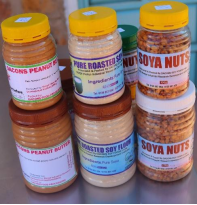

Figure 1. Display of technologies for Nuts, Yoghurt and Honey-processing in Migori County, Kenya.
2.2. Eldoret ITTO, Uasin-Gishu County
Training in animal feed ration formulation was conducted in response to the needs of the local population, who predominantly engages in livestock rearing. The program emphasized the potential for communities to produce their feed supplies, fostering viable business enterprises that can enhance local food security. Additionally, participants explored dehydration technology for fruits and vegetables, a critical skill that not only prolongs the shelf life of produce but also opens avenues for new entrepreneurial ventures in food processing.
Figure 2. Display of technologies for Honey processing and animal feeds ration formulation in Eldoret, Kenya.
2.3. Kanduyi, Bungoma County
In Kanduyi, participants engaged in a training that focused on the formulation of detergents and bar soap. Through hands-on experiences, they gained insights into the science and craftsmanship involved in creating high-quality cleaning products. This training promises to improve hygiene standards within the community while providing exciting business opportunities.
Figure 3. Display of technologies for Multipurpose and bar soap training in Kanduyi, Bungoma, Kenya.
2.4. Malakisi ITTO, Bungoma County
The training in Malakisi centered on the versatile and nutritious potential of nuts. Participants explored the entire value chain, from harvesting to roasting and packaging. By employing innovative methods and sustainable practices, they are well-equipped to transform nuts into market-ready products, thereby enhancing local economic development.
Figure 4. Display of technologies for processing of nuts at Malakisi, Bungoma County.
3. Discussion
The KIRDI-KIEP training yielded significant improvements in MSMEs' capacity to compete within their respective sectors. Participants reported improved skills in production processes, access to markets, and the ability to scale operations. For example, the dairy processing training helped small-scale dairy farmers in Eldoret diversify their products, leading to increased revenue and job creation. Similarly, honey processing in Baringo and Migori Counties resulted in the establishment of honey production cooperatives, which enhanced access to markets and increased competitiveness.
The focus on sustainability through the circular economy model further contributed to the success of the training. By adopting the 3Rs (Reduce, Reuse, Recycle) approach, participants were able to integrate environmentally friendly practices into their business operations. This not only enhanced their business viability but also contributed to climate change resilience, particularly in sectors such as nut processing and fruit dehydration.
Despite these successes, the program also faced challenges. Regulatory hurdles, particularly related to licensing and compliance, remain a significant barrier to MSME growth. Infrastructure limitations, such as access to reliable energy and transportation, also constrains entrepreneur’s ability to scale their operations. Addressing these challenges will be crucial to ensuring the long-term sustainability and competitiveness of MSMEs in Kenya.
4. Conclusions and Recommendations
4.1 Conclusion
The findings from this capacity building program underscore the critical role that training, Small and Medium Enterprises (SMEs) plays in empowering local communities to leverage technology and enhance their competitiveness along selected value chains. The KIRDI-KIEP initiative has demonstrated that targeted training not only equips entrepreneurs with essential skills but also fosters innovation and sustainable practices within the agricultural sector. A significant strength of the County Aggregation and Industrial Parks (CAIPs) is their capacity to facilitate the commercialization of available technologies across diverse regions. By creating an environment conducive to collaboration and knowledge sharing, CAIPs can enhance the overall competitiveness of local enterprises. The training programs provided through KIRDI-KIEP have shown that individuals can effectively harness new skills and knowledge, leading to transformative changes in local agricultural practices and contributing to broader sustainable development goals.
4.2. Recommendations
Based on the findings of this research, the following recommendations are proposed:
4.2.1. Continued Investment in Training Programs
It is essential to sustain and expand training initiatives that focus on technology dissemination and skills development for SMEs. This will ensure that entrepreneurs remain competitive and can adapt to evolving market demands.
4.2.2. Strengthening Collaboration among Stakeholders
Encouraging partnerships between government agencies, educational institutions, and private sector actors can enhance the effectiveness of training programs. Collaborative efforts can lead to the sharing of resources, expertise, and best practices.
4.2.3. Promotion of Sustainable Practices
Future training should emphasize sustainable agricultural practices and the importance of environmental stewardship. This will not only benefit local economies but also contribute to global efforts in combating climate change.
4.2.4. Monitoring and Evaluation
Implementing robust monitoring and evaluation frameworks will help assess the impact of training programs on participants and their communities. This data can inform future initiatives and ensure continuous improvement.
In conclusion, the KIRDI-KIEP initiative serves as a valuable model for empowering local communities through technology training and entrepreneurship. By investing in the skills and knowledge of SMEs, we can drive economic growth, enhance food security, and promote sustainable development in Kenya. The insights gained from this study highlight the importance of ongoing support for such initiatives, which are vital for the future prosperity of local enterprises and their communities.
Abbreviations
BETA | Bottom-up Economic Transformation Agenda |
CAIPs | County Aggregation and Industrial Parks |
GDP | Gross Domestic Product |
ITTOs | Industrial Technology Transfer Offices |
KIEP | Kenya Industrial Entrepreneurship Project |
KIRDI | Kenya Industrial Research and Development Institute |
MITI | Ministry of Investment Trade and Industry |
MSMEs | Micro-Small and Medium Enterprises |
SMEs | Small and Medium Enterprises |
Acknowledgments
We express our gratitude to the World Bank Group for supporting this capacity building program through a research grant to the Kenya Industrial Research and Development Institute (KIRDI). We also acknowledge the contributions of the Ministry of Investment, Trade and Industry (MITI) for enabling KIRDI to carry out this work, as well as the County Governments of Uasin Gishu, Bungoma, and Migori for providing an enabling environment for the trainings.
Conflicts of Interest
The authors declare that no conflicts of interest.
References
| [1] |
Ministry of Micro, Small and Medium Enterprises (Kenya). (2024). About MSMEs. Government of Kenya.
https://msme.go.ke/about-msmes
|
| [2] |
Muthee, E., & Maina, R. (2023). Entrepreneurial social capital and performance of micro, small, and medium enterprises. International Journal of Entrepreneurial Knowledge, 11(2), 127–138.
https://doi.org/10.37335/ijek.v11i2.208
|
| [3] |
Egbetokun, A. (2023). Business incubators in Africa: A review of the literature. Journal of African Entrepreneurship.
https://cepr.org/system/files/publication-files/JA%207487.
|
| [4] |
Ngugi, J., & Were, E. (2023). Entrepreneurship training and MSME survival in developing economies: Evidence from Kenya. African Journal of Business Management, 17(4), 101–112.
https://doi.org/10.5897/AJBM2023.9507
|
| [5] |
Gichuki, G. K., Karanja, K., & Atikiya, R. (2024). The moderating influence of legal and regulatory framework on the relationship between organizational structure and strategy implementation by devolved governments in Kenya. Journal of Agriculture, Science and Technology, 23(1), 171–210.
https://doi.org/10.4314/jagst.v24i1.11
|
| [6] |
Katana, C. K., Peter, G. M., & Fwamba, R. (2025). Financial technology and financial performance of micro, small and medium enterprises in Kakamega County, Kenya. International Journal of Research and Scientific Innovation (IJRSI), 120500151.
https://doi.org/10.51244/IJRSI.2025.120500151
|
| [7] |
Lagat, D. J., & Njaramba, J. (2024). Accessibility of credit and performance of micro, small and medium enterprises in Nandi County, Kenya. African Tax and Customs Review, 8(1), 12.
https://atcr.kra.go.ke/index.php/atcr/article/view/121
|
| [8] |
Mwakio, A. M., Mbogho, P. K., Omido, K. H., & Mwagandi, S. M. (2024). Impact of accessibility of digital financial services on financial inclusion among SMEs in Taita Taveta County, Kenya. International Journal of Social Science and Humanities Research, 2(3), 391–403.
https://doi.org/10.61108/ijsshr.v2i3.149
|
| [9] |
Kenya Institute for Public Policy Research and Analysis (KIPPRA). (2023). Fourth Medium Term Plan (MTP IV), 2023–2027. Government of Kenya.
https://repository.kippra.or.ke/handle/123456789/4856
|
| [10] |
Office of the President (Kenya). (2024, December 15). Innovative BETA programmes transforming lives of Kenyans – PresidentRuto.
https://www.president.go.ke/innovative-beta-programmes-transforming-lives-of-kenyans-president-ruto
|
| [11] |
ACCA Global. (2025, July). Will the budget transform Kenya’s MSMEs? AB Magazine.
https://abmagazine.accaglobal.com/content/abmagazine/global/articles/2025/jul/business/will-budget-transform-kenya-s-msmes-.html
|
| [12] |
Trade Facilitation East Africa Programme. (2023). Kenya country profile. TFEP.
https://www.tfep.org/kenya
|
| [13] |
Micro and Small Enterprises Authority (MSEA). (2024). Kenya Jobs and Economic Transformation (KJET) project.
https://msea.go.ke/kjetproject
|
| [14] |
Omondi, P. (2024). Sustainable entrepreneurship and MSME resilience in Kenya’s green economy. Journal of Sustainable Development in Africa, 26(2), 55–70.
https://doi.org/10.5321/jsda.v26i2.2345
|
Cite This Article
-
APA Style
Cheloti, M., Onyuka, A., Wekesa, I., Njure, E., Kariuki, E., et al. (2025). Enhancing SMEs Competitiveness Along Value Chains Approach in Technology Dissemination in North Rift and Western Regions of Kenya. International Journal of Business and Economics Research, 14(6), 267-271. https://doi.org/10.11648/j.ijber.20251406.14
 Copy
|
Copy
|
 Download
ACS Style
Cheloti, M.; Onyuka, A.; Wekesa, I.; Njure, E.; Kariuki, E., et al. Enhancing SMEs Competitiveness Along Value Chains Approach in Technology Dissemination in North Rift and Western Regions of Kenya. Int. J. Bus. Econ. Res. 2025, 14(6), 267-271. doi: 10.11648/j.ijber.20251406.14
Copy
|
Download
AMA Style
Cheloti M, Onyuka A, Wekesa I, Njure E, Kariuki E, et al. Enhancing SMEs Competitiveness Along Value Chains Approach in Technology Dissemination in North Rift and Western Regions of Kenya. Int J Bus Econ Res. 2025;14(6):267-271. doi: 10.11648/j.ijber.20251406.14
Copy
|
Download
-
@article{10.11648/j.ijber.20251406.14,
  author = {Michael Cheloti and Arthur Onyuka and Ingrid Wekesa and Ephraim Njure and Emmanuel Kariuki and Gladys Mugo and Benard Kibet and Duncan Mugera and Anne Ndiege},
  title = {Enhancing SMEs Competitiveness Along Value Chains Approach in Technology Dissemination in North Rift and Western Regions of Kenya},
  journal = {International Journal of Business and Economics Research},
  volume = {14},
  number = {6},
  pages = {267-271},
  doi = {10.11648/j.ijber.20251406.14},
  url = {https://doi.org/10.11648/j.ijber.20251406.14},
  eprint = {https://article.sciencepublishinggroup.com/pdf/10.11648.j.ijber.20251406.14},
  abstract = {Micro, Small, and Medium Enterprises (MSMEs) significantly contribute to Kenya’s GDP and play a crucial role in job creation. Despite their importance, many MSMEs face challenges such as inadequate skills, limited access to technology, and barriers to scaling their operations. Recognizing these gaps, the KIRDI-KIEP training initiative was designed to unlock the potential of MSMEs by promoting technology dissemination and hands-on capacity building. The program not only offered practical training but also extended support through incubation programs and access to Common Manufacturing Facilities (CMFs). These resources gave entrepreneurs the opportunity to experiment, innovate, and refine their products in a supportive environment. The training aimed to equip participants with the skills and knowledge needed to launch viable commercial enterprises, address production challenges, and drive economic growth. Participants were selected based on business readiness, technology needs assessment, gender inclusivity, and a focus on youth empowerment. Priority was given to technologies with high market demand and community impact, including animal feed formulation, honey processing, fruit and vegetable dehydration, dairy processing, and soap and detergent production. The primary challenge for SMEs is limited competitiveness due to regulatory and infrastructure hurdles. This training provided practical skills to enhance scalability, competitiveness, and commercialization, contributing to sustainable development and economic growth.},
 year = {2025}
}
Copy
|
Download
-
TY  - JOUR
T1  - Enhancing SMEs Competitiveness Along Value Chains Approach in Technology Dissemination in North Rift and Western Regions of Kenya
AU  - Michael Cheloti
AU  - Arthur Onyuka
AU  - Ingrid Wekesa
AU  - Ephraim Njure
AU  - Emmanuel Kariuki
AU  - Gladys Mugo
AU  - Benard Kibet
AU  - Duncan Mugera
AU  - Anne Ndiege
Y1  - 2025/12/24
PY  - 2025
N1  - https://doi.org/10.11648/j.ijber.20251406.14
DO  - 10.11648/j.ijber.20251406.14
T2  - International Journal of Business and Economics Research
JF  - International Journal of Business and Economics Research
JO  - International Journal of Business and Economics Research
SP  - 267
EP  - 271
PB  - Science Publishing Group
SN  - 2328-756X
UR  - https://doi.org/10.11648/j.ijber.20251406.14
AB  - Micro, Small, and Medium Enterprises (MSMEs) significantly contribute to Kenya’s GDP and play a crucial role in job creation. Despite their importance, many MSMEs face challenges such as inadequate skills, limited access to technology, and barriers to scaling their operations. Recognizing these gaps, the KIRDI-KIEP training initiative was designed to unlock the potential of MSMEs by promoting technology dissemination and hands-on capacity building. The program not only offered practical training but also extended support through incubation programs and access to Common Manufacturing Facilities (CMFs). These resources gave entrepreneurs the opportunity to experiment, innovate, and refine their products in a supportive environment. The training aimed to equip participants with the skills and knowledge needed to launch viable commercial enterprises, address production challenges, and drive economic growth. Participants were selected based on business readiness, technology needs assessment, gender inclusivity, and a focus on youth empowerment. Priority was given to technologies with high market demand and community impact, including animal feed formulation, honey processing, fruit and vegetable dehydration, dairy processing, and soap and detergent production. The primary challenge for SMEs is limited competitiveness due to regulatory and infrastructure hurdles. This training provided practical skills to enhance scalability, competitiveness, and commercialization, contributing to sustainable development and economic growth.
VL  - 14
IS  - 6
ER  -
Copy
|
Download

 ,
Ingrid Wekesa
,
Ingrid Wekesa







 Share This Article
 Twitter
 Linked In
 Facebook